There are stories that make you pause.
And then there are stories like this—
the kind that should stop an entire system in its tracks… but don’t.
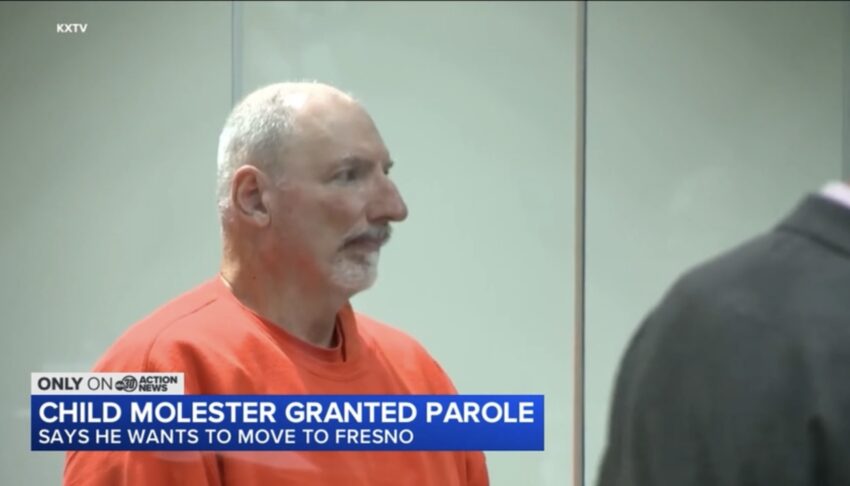
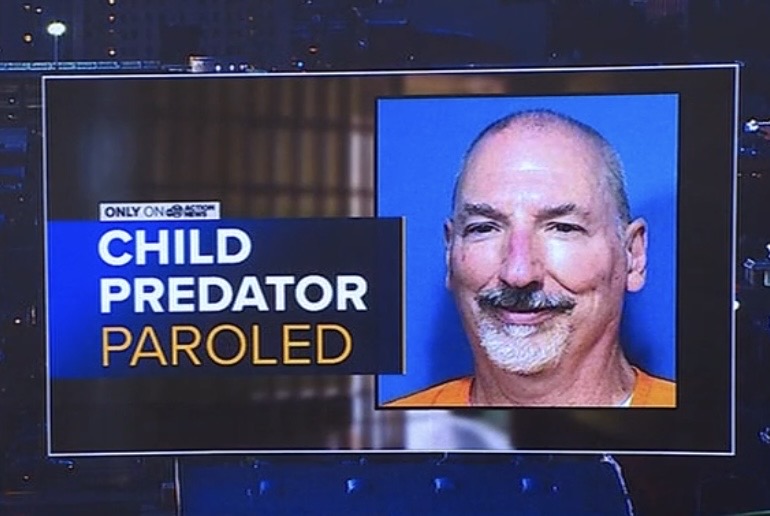
A convicted child molester in California has been granted parole.
Not after rehabilitation. Not after demonstrating change.
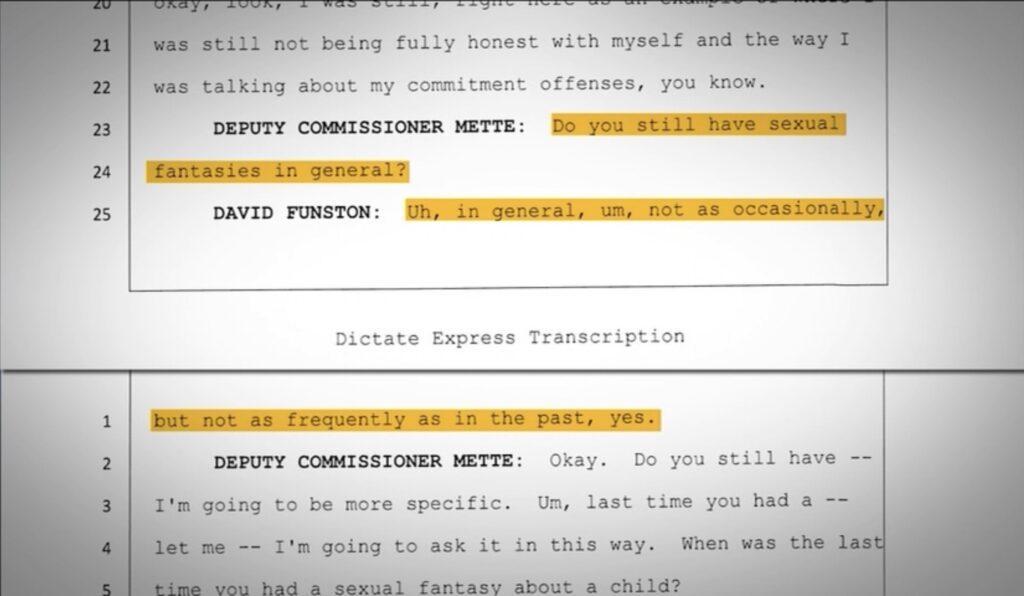
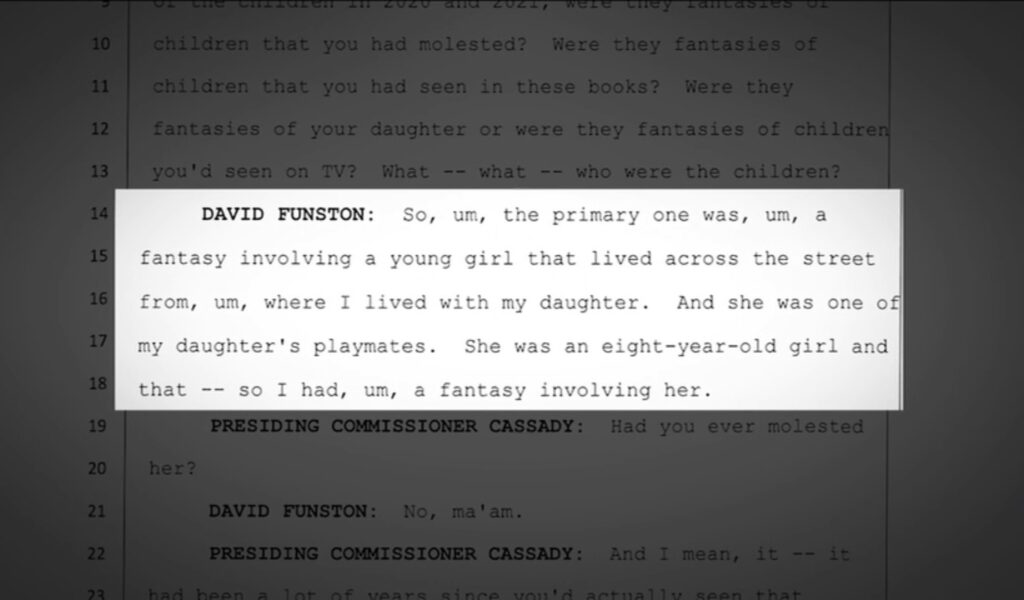
But while openly admitting he still fantasizes about children.
Let that sink in.
This isn’t speculation. This isn’t a gray area.
This is someone telling the system exactly who he is—and the system choosing to look away anyway.
This Isn’t a Failure. This Is a Decision.
We need to stop calling this a “broken system” as if it’s accidental.
Because when someone:
- Admits ongoing attraction to children
- Has a documented history of harming them
- And is still released into a community
That is not a mistake.
That is a decision.
A decision that says:
We are willing to take the risk.
But here’s the question no one in power ever answers:
Who is taking that risk for the child who will be next?
Because it’s never them.
The System Protects Procedure—Not Children
What we’re watching play out is something far deeper than one case.
It’s a system that prioritizes:
- Timelines over truth
- Compliance over safety
- Legal boxes checked over real-world consequences
Parole becomes a process—not a protection.
And when the process is followed, even if the outcome is dangerous,
the system considers it a success.
But for families? For children?
It’s a ticking clock.
We Punish the Aftermath—Not the Threat
Here’s the reality no one wants to say out loud:
We are far more comfortable punishing harm
than we are preventing it.
We wait.
We wait for another victim.
Another report.
Another life permanently altered.
And then we act.
But when someone tells us upfront that they are still dangerous—
we debate. We justify. We release.
That is not justice.
That is negligence.
From Someone Who Lived It—This Is How It Happens Again
I don’t speak on this from a distance.
I speak on this as someone who lived through what happens
when the system minimizes, delays, and looks the other way.
My abuser was given a second chance.
And instead of protection and oversight,
there was little to none.
And what happened?
He did it again.
To me.
So when I read stories like this, I don’t see headlines.
I see patterns.
I see the exact moment where intervention could have happened—
and didn’t.
“He’s Served His Time” Is Not a Safety Plan
We’ve been conditioned to believe that time served equals risk reduced.
But with crimes like this, that is dangerously false.
You cannot “time out” a mindset that is still active.
You cannot release someone safely
when they are telling you they are still unsafe.
And yet—that’s exactly what we’re doing.
Accountability Cannot End at Conviction
If the system releases someone who has openly stated
they still pose a risk to children—
Then the system must share responsibility
for what happens next.
Full stop.
We cannot continue operating in a model where:
- The predator walks free
- The system walks away
- And the child pays the price
There has to be accountability beyond sentencing.
There has to be ownership of outcomes.
This Is Bigger Than One Case
This isn’t about California.
This is about a nationwide pattern.
A pattern where:
- Survivors are questioned
- Systems delay action
- And predators are given the benefit of doubt
Until it’s too late.
Again.
And again.
We Don’t Need Awareness Anymore. We Need Reform.
We are well past the point of “raising awareness.”
People are aware.
What we need now is:
- Stricter parole standards for sexual offenders
- Mandatory psychological risk thresholds that actually matter
- Real oversight after release—not check-ins, but protection systems
- And a legal shift that prioritizes potential victims over procedural fairness for known predators
Because right now?
We have it backwards.
I’m Not Staying Silent About This Anymore
Stories like this are exactly why I wrote my book.
Because what happens behind closed doors—
and what happens after the system fails—
are conversations people are still too uncomfortable to have.
But they need to.
If you’ve ever wondered:
- How this keeps happening
- Why systems fail to intervene
- What it actually feels like to live through it
I’ve shared it—fully, honestly, and without filtering it down to something easier to digest.
Because the truth isn’t easy.
But ignoring it is what allows this to continue.
Read More. Understand More. Demand More.
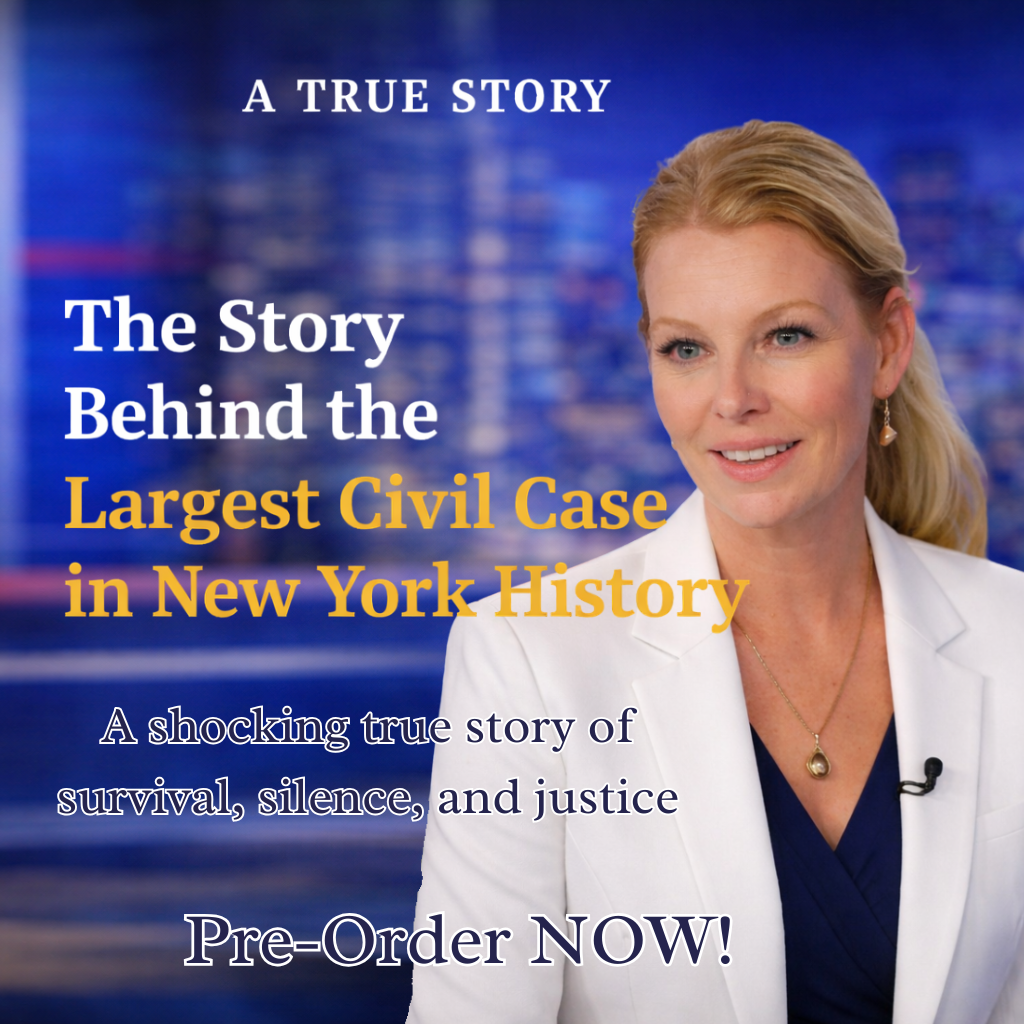
If this made you uncomfortable, good.
It should.
That discomfort is where change starts.
But only if we stop looking away.
Resources & Action
If you or someone you love has been affected by abuse, or if you’re trying to better understand, report, or prevent it—these organizations provide real help:
Immediate Help & Reporting
- National Sexual Assault Hotline (RAINN)
📞 800-656-HOPE
💻 https://www.rainn.org
Confidential support, 24/7 live chat, and local resource connections - Childhelp National Child Abuse Hotline
📞 800-4-A-CHILD (800-422-4453)
💻 https://www.childhelphotline.org
Call, text, or chat support for child abuse situations - National Human Trafficking Hotline
📞 888-373-7888
💻 https://humantraffickinghotline.org
Understanding Your Rights
- National Crime Victim Law Institute (NCVLI)
💻 https://ncvli.org
Legal rights and advocacy for victims - Darkness to Light (Charleston-based, highly relevant locally)
💻 https://www.d2l.org
Education and prevention programs to protect children
Advocacy & Reform
- National Center for Missing & Exploited Children (NCMEC)
💻 https://www.missingkids.org - Protect.org (National Association to Protect Children)
💻 https://www.protect.org
Focused on strengthening laws and enforcement against child exploitation
READ THE FULL NEWS COVERAGE AS OF March 21, 2026 HERE